How Many Hours of Wedding Photography Do You Need?
One of the most common questions couples have when planning their wedding is how many hours of wedding photography they actually need. Should you book six hours? Eight? Ten? And how do you know which option is right for your wedding day?
After 10 years of photographing weddings with my husband, I’ve learned that there’s no one-size-fits-all answer. The right amount of coverage depends on what your wedding day looks like, which moments matter most to you, and how much breathing room you want in your timeline.
Some couples want their entire day documented, from the first moments of getting ready to the last dance. Others would rather focus on their ceremony and portraits and spend less time documenting the reception or less time documenting getting ready. Neither approach is wrong!
What I do know is that the best wedding galleries often come from days when couples aren’t rushing from one thing to the next. Having enough time allows you to be present, enjoy your day, and create space for the genuine moments and creative portraits that make your photos feel like you.
Let’s talk about how to decide how many hours of wedding photography you need and what to consider before choosing your coverage.
How Many Hours of Wedding Photography Do Most Couples Need?
For a traditional wedding with a ceremony, portraits, cocktail hour, dinner, and reception, I generally think of six, eight, and ten hours as three common coverage options. Each can work well, but they offer different things.
6 Hours of Wedding Photography
Six hours can be a great option if you’re intentional about what you want documented and are comfortable leaving some parts of your day out of your gallery.
For a traditional wedding, six hours of coverage can typically cover one of two scenarios:
- Ceremony through send-off: Your photographer arrives shortly before the ceremony and stays through the end of the reception or your planned exit.
- Final getting-ready touches through the beginning of the dance party: Your photographer documents the final moments of getting ready, the first look (if there is one), the ceremony, portraits, and the start of the reception before leaving as the party gets going.
The important thing to understand is that six hours generally won’t allow you to document every part of a traditional wedding day, especially if you want both extensive getting-ready coverage and a full evening of reception photos.
And that’s okay!
I’ve photographed weddings where six hours was exactly the right amount of coverage because the couple knew what mattered most to them. Some couples have me arrive just before the ceremony, while others are happy for me to leave during dancing. They aren’t trying to squeeze every possible moment into their coverage, so the day feels relaxed and their expectations are realistic.
If you don’t care about having hours of open dancing documented, for example, there’s no reason to pay for coverage just because you think you’re supposed to have it.
Six hours can be a wonderful choice when you build your photography timeline around your priorities instead of trying to fit an entire traditional wedding day into a shorter window.
8 Hours of Wedding Photography
Eight hours offers more flexibility and can often cover everything from the final touches of getting ready through the send-off. However, in my experience, this usually requires a fairly tight timeline for a traditional wedding.
You may be able to fit in all the major events, but fitting everything into a timeline and having enough time to enjoy those moments are two different things.
If your photographer needs to document getting ready, details, family portraits, the wedding party, couples portraits, cocktail hour, dinner, speeches, special dances, and open dancing, eight hours can go by quickly.
You may need to be more intentional about how much time you spend on each part of the day. Travel between locations, a larger wedding party, or a longer list of family portraits can make the timeline even tighter.
Eight hours can absolutely work, especially if your ceremony and reception are at the same location and you’re not planning an extensive getting-ready portion of the day. But if you want a little more flexibility, it’s worth considering whether an additional hour or two would make your experience more enjoyable.
10 Hours of Wedding Photography
For a traditional wedding where you want a little bit of everything documented, ten hours is often my favorite option.
Ten hours typically allows us to photograph the final touches of getting ready, first look, the ceremony, portraits, cocktail hour, reception events, and all of the dance party, depending on your timeline and plans.
More importantly, it gives us room to breathe.
Instead of rushing through portraits because the next event is approaching, we can spend more time creating a variety of images. Instead of feeling stressed when something runs a little behind, there’s a better chance your timeline can absorb the delay. And instead of moving immediately from one planned moment to the next, there’s more opportunity for the unplanned moments to happen.
Ten hours doesn’t mean you have to photograph every single thing. It simply gives you more flexibility to document the things you care about without having to squeeze them into a smaller window.
For couples who want a comprehensive gallery that tells the story of their wedding day, with a mix of candid moments and creative portraits, ten hours can be a great fit.
What Factors Affect How Many Hours of Photography You Need?
The number of hours you need isn’t determined by your wedding guest count or venue alone. It’s about how your day is structured and what you want your photos to include.
Here are some of the biggest factors I encourage couples to consider.
1. Are You Getting Ready at the Same Location as Your Ceremony?
If you’re getting ready at your venue, you may be able to move easily from one part of the day to the next. If you’re getting ready at a separate location, you’ll need to account for travel time and the logistics of moving everyone from one place to another.
Multiple locations can add up quickly. Even a short drive takes time when you factor in gathering your belongings, getting everyone into cars, parking, and making sure you’re ready for the next part of the day.
If you’re planning to get ready at a hotel, take portraits at a historic estate, and then travel to a separate ceremony or reception venue, make sure those transitions are built into your timeline.
Your photographer’s coverage clock doesn’t stop while you’re traveling, so it’s important to consider how much of your booked time will be spent getting from place to place.
2. How Much of Getting Ready Do You Want Photographed?
Some couples love the idea of having their photographer there for the entire getting-ready process, including hair and makeup, time with their wedding party, and all the little moments leading up to getting dressed.
Others would rather have their photographer arrive when hair and makeup are nearly finished, capturing the final touches, getting dressed, and a few moments with their closest people.
Neither is better than the other. It simply depends on what you want your gallery to tell the story of.
If you want photographs of your mom helping you into your dress, your wedding party celebrating together, or those quiet moments before the ceremony, you’ll want to allow time for those things. If those aren’t priorities for you, starting coverage later can be a great way to reduce the number of hours you need.
3. Are You Having a First Look?
A first look can change how your photography timeline is structured.
If you see each other before the ceremony, we can often photograph couples portraits and some or all of the wedding party portraits beforehand. This can give you more flexibility after the ceremony and allow you to spend more time enjoying cocktail hour with your guests.
If you’re waiting until the ceremony to see each other, we’ll typically plan to photograph couples portraits afterward. Depending on the size of your wedding party, family portrait list, and ceremony time, this can make the post-ceremony timeline feel more compressed.
A first look isn’t necessary to have a relaxed wedding day, but it’s worth considering how your decision affects the timing of your portraits and the rest of your day.
4. How Much Time Do You Want for Portraits?
This is one of the biggest factors I encourage couples to think about.
Your ceremony and portraits are the two parts of the day I consider non-negotiable when planning photography coverage. The ceremony tells the story of your commitment, and portraits give you photographs of the two of you together that you’ll be able to look back on for years.
Beyond that, what we photograph and how much time we spend on it should reflect your priorities.
If you love the idea of artistic, editorial portraits with a little variety, you’ll want to allow more time than you would for a quick set of traditional portraits.
I once had a couple increase their coverage from eight hours to nine hours, which allowed us to add more time for couples portraits. That extra hour made a noticeable difference. We weren’t rushing through the session, and we had more freedom to experiment with creative shots and capture a wider variety of images.
The goal wasn’t simply to take more photos. It was to have enough time to make the photos we were creating even better.
If portraits are important to you, don’t treat them as something to squeeze into whatever time happens to be left over. Give them the space they deserve.
5. How Long Is Your Reception and Dance Party?
Think about whether you want your photographer to document the entire reception or just the major events.
If you love a good party and can’t wait to have a packed dance floor, you may want your photographer to stay later into the evening. Those photos can be a huge part of telling your wedding story, especially if celebrating with your friends and family is one of the things you’re most excited about.
On the other hand, if dancing isn’t really your thing, you might prefer to prioritize getting-ready moments, portraits with your wedding party, or time with your family.
I’ve found that couples often have very different ideas about what makes a wedding day meaningful. For one couple, the epic dance party might be the highlight. For another, it’s the quiet moments with their parents before the ceremony.
Your photography coverage should reflect that difference.
You don’t have to document the same things as everyone else. If you know the dance party isn’t a priority, you can choose coverage that ends earlier. If it’s one of the most important parts of your day, make sure you have enough time for it.
6. How Much Breathing Room Is in Your Timeline?
This is probably one of the most important factors of all.
A timeline can technically fit everything you want to photograph and still leave you feeling rushed all day.
When every part of the schedule is packed tightly against the next, even a small delay can make things stressful. Hair and makeup might run behind, family members might be difficult to gather for portraits, or you might simply need a few extra minutes to catch your breath.
When there’s breathing room, those little things don’t have to feel like a crisis.
I’ve photographed weddings where couples tried to squeeze what would realistically be ten hours of photography into six hours of coverage. The result was an extremely stressful experience because there simply wasn’t enough time to do everything they wanted.
I’ve also photographed weddings with six hours of coverage that felt completely relaxed because the couple had made intentional decisions about what they wanted documented and what they were happy to leave out.
The difference wasn’t the number of hours. It was whether the timeline and expectations matched the coverage.
Why I Believe Breathing Room Makes for Better Wedding Photos
After ten years of photographing weddings, some of my favorite galleries have come from days when we had enough time to let things unfold naturally.
When a couple isn’t rushing from one event to the next, they have more opportunities to be present with each other and their loved ones. They can laugh, take a breath, enjoy a moment, and actually experience their wedding day instead of feeling like they’re constantly trying to keep up with a schedule.
That makes a difference in the photographs.
When portraits aren’t rushed, I can move beyond the basic shots and create more variety. We have time to try a different composition, explore interesting light, or make something a little more artistic. Those are often the opportunities that lead to the photographs couples didn’t even know they wanted.
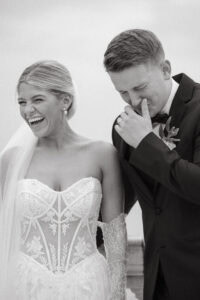
And when the timeline has breathing room, there’s more opportunity for organic moments to happen in the first place. A spontaneous laugh with your wedding party, a quiet moment with your partner, or an unexpected interaction with a family member can’t always be scheduled. But when you’re not constantly hurrying to the next thing, there’s more space for those moments to happen and be photographed.
I want couples to have beautiful photographs, of course. But I also want them to enjoy the experience of having their photos taken and feel like they actually got to be present for their wedding day.
That’s why I believe adding time isn’t simply about getting more images. It’s about creating an experience that allows for better images.
If you’d like to chat more or inquire about our services, reach out here Contact Us